
Navigating Visa Requirements for International Travel
- Sanyam Raina
- Jan 14
- 4 min read

Traveling internationally can be one of the most enriching experiences of your life. However, it often comes with a complex web of visa requirements that can be daunting to navigate. Understanding these requirements is crucial for a smooth journey. This guide will help you demystify the visa process and ensure you are well-prepared for your next adventure.

Understanding Visa Types
Before you embark on your journey, it's essential to understand the different types of visas available. Each country has its own visa categories, and knowing which one applies to your situation can save you time and hassle.
Tourist Visa
A tourist visa is the most common type of visa for travelers. It allows you to enter a country for leisure purposes, such as sightseeing or visiting friends and family. Tourist visas typically have a limited duration, ranging from a few weeks to several months.
Business Visa
If you plan to conduct business activities, you will need a business visa. This type of visa permits you to attend meetings, conferences, or negotiate contracts. Requirements for a business visa may include an invitation letter from a host company in the destination country.
Student Visa
For those looking to study abroad, a student visa is necessary. This visa allows you to enroll in educational institutions and may require proof of acceptance from a school, as well as evidence of financial support.
Work Visa
If you intend to work in another country, you will need a work visa. This visa often requires sponsorship from an employer and may involve a lengthy application process. Different countries have varying requirements for work visas, so it's essential to research the specific regulations.
Transit Visa
If you are passing through a country en route to another destination, you may need a transit visa. This visa allows you to stay in the airport or travel through the country for a limited time without entering the main territory.
Researching Visa Requirements
Once you know the type of visa you need, the next step is to research the specific requirements for your destination. Here are some practical tips to help you gather the necessary information:
Official Government Websites
Start by visiting the official government website of the country you plan to visit. Most countries have a dedicated section for visa information, detailing the types of visas available, application procedures, and required documents.
Visa Services and Agencies
Consider using a visa service or agency if you find the process overwhelming. These organizations specialize in helping travelers navigate visa requirements and can assist with paperwork and submissions.
Travel Forums and Blogs
Online travel forums and blogs can provide valuable insights from fellow travelers. Look for recent posts about visa experiences in your destination country to gain a better understanding of what to expect.
Contacting Embassies or Consulates
If you have specific questions or need clarification, don't hesitate to contact the embassy or consulate of the country you plan to visit. They can provide accurate and up-to-date information regarding visa requirements.
Preparing Your Application
Once you have gathered all the necessary information, it's time to prepare your visa application. Here are some key steps to follow:
Gather Required Documents
Each visa type has its own set of required documents. Common documents include:
A valid passport with at least six months of validity remaining
Completed visa application form
Passport-sized photographs
Proof of travel arrangements (flight itinerary)
Evidence of accommodation (hotel bookings)
Financial statements to demonstrate sufficient funds
Complete the Application Form
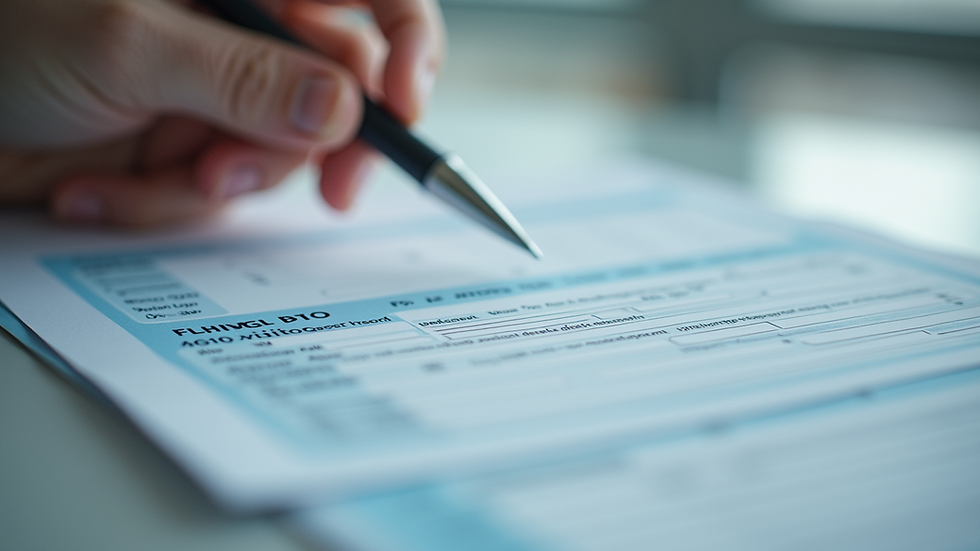
Carefully fill out the visa application form, ensuring that all information is accurate and matches your supporting documents. Any discrepancies can lead to delays or denials.
Pay the Visa Fee
Most visa applications require a fee, which can vary significantly depending on the country and visa type. Be sure to check the payment methods accepted by the embassy or consulate.
Submit Your Application
Follow the instructions for submitting your application. Some countries allow online applications, while others require you to submit documents in person or by mail. Make sure to keep copies of all submitted documents for your records.
Waiting for Approval
After submitting your application, the waiting period can vary. Some visas are processed quickly, while others may take weeks or even months. Here are some tips for managing this waiting period:
Track Your Application
Many embassies and consulates provide a tracking system for visa applications. Use this feature to stay updated on the status of your application.
Be Patient
Visa processing times can be unpredictable. While waiting, use this time to plan other aspects of your trip, such as activities, packing, and travel insurance.
Prepare for Possible Interviews
In some cases, you may be required to attend an interview as part of the visa application process. Prepare by reviewing your application and being ready to answer questions about your travel plans.
Common Visa Challenges
Navigating visa requirements can come with its challenges. Here are some common issues travelers face and how to overcome them:
Denied Applications
If your visa application is denied, don't panic. Review the denial letter carefully to understand the reasons. You may have the option to appeal the decision or reapply with additional documentation.
Last-Minute Changes
Travel plans can change unexpectedly. If you need to alter your itinerary, check if your visa allows for changes. Some visas are strict about entry dates, while others may offer more flexibility.
Language Barriers
Language differences can complicate the visa application process. If you're unsure about any part of the application, consider seeking help from a translator or a friend who speaks the language.
Staying Informed About Visa Changes
Visa regulations can change frequently, so it's essential to stay informed. Here are some ways to keep up with the latest updates:
Sign Up for Alerts
Many government websites offer email alerts for visa changes. Sign up for these notifications to receive timely updates.
Follow Travel News
Stay connected with travel news outlets and blogs that cover visa regulations. They often provide insights into upcoming changes that could affect your travel plans.
Join Travel Groups
Participating in travel groups on social media platforms can be a great way to share experiences and learn from others about visa requirements and changes.
Conclusion
Navigating visa requirements for international travel may seem overwhelming, but with the right preparation and knowledge, you can simplify the process. By understanding the types of visas available, researching requirements, and preparing your application carefully, you can set yourself up for a successful journey. Remember to stay informed about any changes and reach out for help when needed. Your next adventure awaits, so start planning today!

Comments